
< Back to all posts
10 Tips For Shooting Impressive Corporate Video In Shanghai
Shanghai is China’s biggest city and a global financial hub known as a multi-cultural metropolis of history and modernity. When you’re expanding your company’s reach into mainland China, Shanghai can be an irresistible location for a corporate video shoot. This massive and ever-expanding city of 26 million residents is home to an illuminated skyline that shows off its futuristic appeal — and can be a compelling video backdrop. We talked to our China-based crews about everything you need to know to shoot impressive corporate video in Shanghai.
1.Language: English is not widely spoken and the use of direct translation app is a must have. WeChat offers such features. We recommend hiring a translator or fixer to prevent any miscommunication. Remember: there is no such thing as “Chinese” as language. In Shanghai, everyone speaks Mandarin and the local “Shanghainese” dialect. It may be useful to know a little of both when going to less touristy areas.
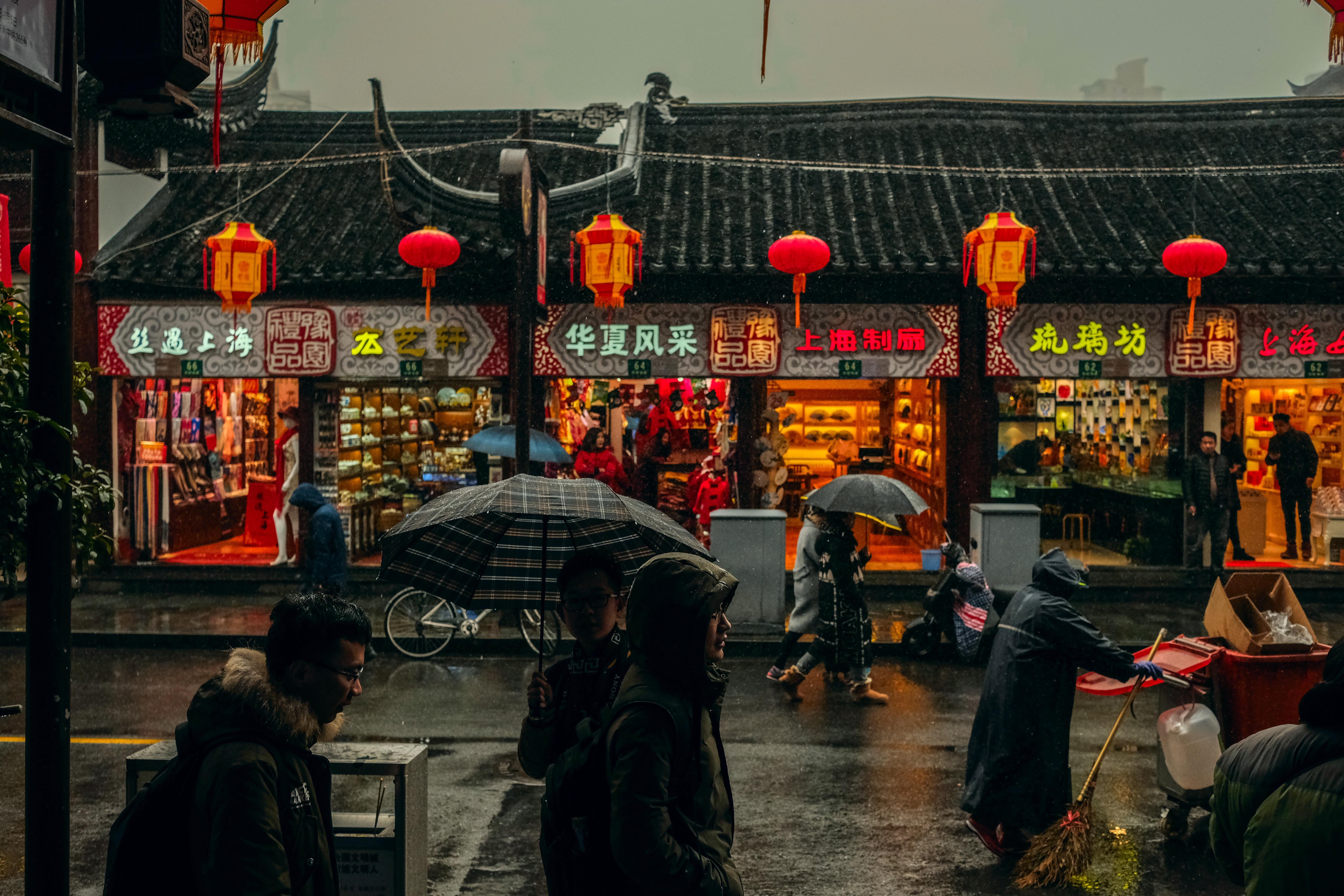 2. Traffic: Like in any major city, traffic hits it’s peak during rush hour times. Traffic is heaviest from 8-9:30am and 4:30-6:30pm. It’s important to check where your shooting location is, as it may take more than 2 hours to cross the entire city. An important warning: driving is dangerous in Shanghai. Emergency vehicles and pedestrians do not have the right of way. Cars and scooters can always turn right even if the light is red. Remember to look both ways before crossing the street!
3. Etiquette: Before traveling to China, you should take note of some cultural do’s and don’ts:
Don’t: tip at restaurants. This can cause confusion and is not a part of Chinese culture.
Do: accept gifts, business cards and money with two hands. It is a sign of respect.
Don’t: stick your chopsticks vertically upright into a bowl of rice; this resembles incense burned at funerals and is considered a bad omen.
Do: save face. “Face” (mianzi) represents dignity, respect, and social standing. We advise to not go into an argument or public scolding. Losing face is a bad social situation and could result in the loss of a shoot.
Don’t: mind shoving or bumping. In China, “personal bubbles” are much smaller. You can expect to experience shoving and accidental bumping while in public places. Locals don’t always say “excuse me” or “sorry”, so don’t take it personally.
4. Transportation: International driver’s licenses aren’t valid in China, so you’ll need to hire a local driver if your shoot has a large amount of equipment. It’s also worth keeping in mind that you’ll likely need two vehicles for a truly large-scale shoot, as transporting people and gear calls for two different types of licenses. In smaller cases, you can work with taxis, the subway or the local rideshare service DiDi.
5. Weather: Since the summer in Shanghai is both hot and rainy and the winter is bitterly cold, spring and fall are the ideal seasons for a video shoot in the area. The city is also prone to periodic pollution, meaning it can be hard to capture B-roll on a smoggy day — it’s worth including extra wiggle room in a shooting schedule. The best time to visit Shanghai is from March-June and October-November. Be aware that most weather forecast do not include pollution level. We recommend wearing a mask if you find yourself very sensitive to the pollution.
6. Internet: Due to the barriers between the Chinese internet and the World Wide Web, some of the normal tasks associated with a video shoot, such as uploading completed footage to the cloud, are harder and more time-consuming. Furthermore, after a few days in the country, it will be hard to visit websites from a phone, even with an international SIM card. Having a virtual private network (VPN) installed on a PC is a way to access websites that would otherwise be blocked — it should be noted, however, that VPN use is against local law.
7. Currency: The official currency in Shanghai (and the rest of mainland China) is the Renminbi (RMB), with the principal unit of account being the Chinese Yuan (CNY), represented by the symbol ¥. However, using physical cash is rare, especially for larger sums of money. People in Shanghai pay almost exclusively with their phones, using mobile payment apps. The vast majority of transactions—from high-end restaurants and malls to street food vendors, taxis, and convenience stores—are handled by scanning QR codes. We recommend downloading AliPay or WeChat Pay before traveling to Shanghai.
8. Iconic B-roll Shots: Shanghai’s sprawl encompasses vast parks and Buddhist temples, tourist-packed squares and ultra-modern glass skyscrapers that house corporate offices. As a historic port, the city sports an extended waterfront, and the northern Chongming Island is also considered part of the city. Amidst all this expanse, you can find numerous exciting locations and subjects for your video. Be prepared to scout prior to shooting and obtain the correct permits for each spot you want to capture footage. Many of the most iconic locations in Shanghai, such as the YuYuan Garden and The Bund, do not permit large crews without prior authorization.
9. Visas and Permits: Get your visas lined up in advance: It’s important to apply for visas and permits that are clear about what type of video production you’re planning. Business visas are available for overseas companies that have Chinese offices, since those local branches can provide invitation letters. During the application process, your social media posts will be checked, so it’s best not to have any content about topics the Chinese government considers sensitive. If such matters aren’t worked out when you first apply for a visa, you may find your production shut down by the authorities, making it impossible to get a visa in the future. Freelancing is not allowed in China: period.
10. Food. In Shanghai, you can find almost anything you like, minus cheese and rare cooked steak! Delivery is now extremely widely use with specific app to get any food at your front door. We suggest checking out the many street vendors and local restaurants for some authentic Chinese cuisine. But remember: tap water is not drinkable in any place, even your hotel room. But there are always small street shops to purchase water bottles from. Click here for some restaurant recommendations!
Key Takeaways for Shanghai:
- Visas and Permits: We suggest applying for visas and permits long before you set foot in China.
- Language: Hiring a local fixer or translator will help your visit to go smoothly.
- Etiquette: Brush up on the local customs of the area to ensure you don’t accidently show disrespect.
Crews of video professionals who know what they’re doing are the perfect allies for your Shanghai video production, as they’ve internalized these tips and more, and are ready to keep up as changes to regulations and technologies occur. This is where Crews Control teams can shine. And if you’re planning an upcoming shoot in Shanghai, you can trust Crews Control to get you the best local crew with the equipment you need. Click here for a free quote!




Leave a Reply